Strong at Every Age: Four Simple Habits That Support Healthy Longevity
Aging is inevitable. Losing your independence doesn’t have to be.
As our bodies naturally change over time, we begin defining strength differently.
Strength might mean climbing the steps with confidence. Carrying groceries into the house without asking for help. Playing on the floor with the grandkids — and getting back up again with relative ease. Singing in the choir without feeling winded. Working in the garden, dancing to a good beat, or traveling where you need (and want) to go.
These everyday movements may seem small, but together they tell an important story: strength isn't just about muscles. It's about maintaining the freedom to keep living life on your own terms.
At Healthier 901, we’re celebrating Healthy Aging Month by sharing four evidence-based habits that support healthy longevity. Research consistently shows that these practices can help aging adults stay stronger, healthier, and more independent for years to come, making the most of every season of life.
"Healthy aging is less about trying to turn back the clock and more about choosing movement that helps maintain strength, mobility, and independence over time. Small, consistent habits can have a meaningful impact on quality of life as we grow older." – Shailesh Patel, MD, at Methodist Le Bonheur Healthcare
Build strength — not just muscle
When many people hear "strength training," they picture heavy barbells or intense gym workouts. In reality, building strength can be surprisingly approachable.
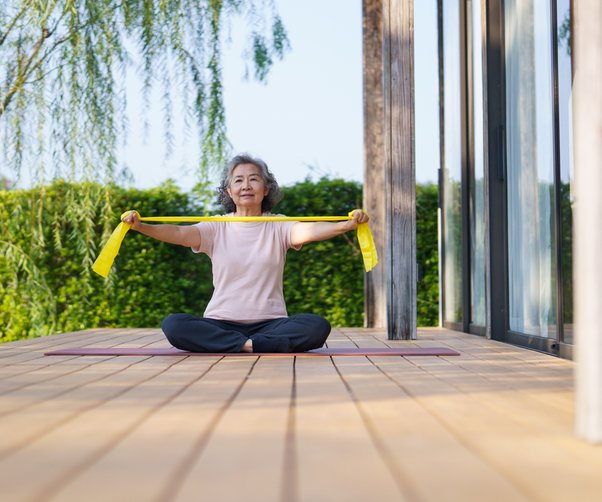
Resistance bands, light dumbbells, bodyweight exercises, or even standing up from a sturdy chair several times in a row can help strengthen the muscles you rely on every day.
Why does that matter? Beginning around age 30, adults gradually lose muscle mass, and that process speeds up later in life. Maintaining muscle helps support balance, protects joints, strengthens bones, and makes everyday tasks — like carrying laundry, lifting groceries, or climbing stairs — feel easier. What’s more, research consistently shows improvements in mobility, balance, muscle strength, and even bone health well into the 70s, 80s, and beyond when people begin appropriate strength training.
Think of muscle as your body's savings account for independence. The more you invest now, the more it can support you later.
Pro tip: Aim for strength-building activities at least twice a week, focusing on all the major muscle groups. If you're just getting started, remember that consistency matters far more than intensity.
SUBSCRIBE TO OUR BLOG
and you'll receive more health & wellness tips right in your inbox.
SUBSCRIBE NOWPractice balance before you need it
Most of us don't think much about our balance until we lose it.
But balance is a skill that can be strengthened just like flexibility or endurance — and improving it can significantly reduce the risk of falls, one of the leading causes of injury among older adults.
Fortunately, balance exercises don't have to be complicated.
Try standing on one foot while brushing your teeth (holding onto a counter if needed), practicing heel-to-toe walking, taking a beginner tai chi class, or incorporating simple yoga poses into your routine.
Pro tip: Even a few minutes of balance practice several days a week can improve stability and confidence over time.
Keep your heart — and your body — moving
You don't have to run marathons or flex a gym membership to enjoy the benefits of cardiovascular exercise.
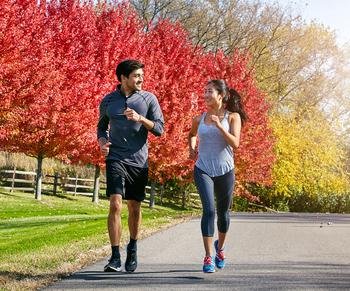
Walking, cycling, swimming, dancing, gardening, and even energetic housework all get your body moving while supporting heart health, lung function, and healthy blood pressure.
Regular movement also helps improve mood, boost energy, sharpen thinking, and reduce the risk of many chronic diseases. Choose activities you enjoy to build up your movement routine, because the best exercise is the one you'll actually look forward to doing again tomorrow.
Pro tip: If you're new to exercise, remember that every minute counts. Three 10-minute walks provide many of the same benefits as one 30-minute walk — and often feel much more manageable.
Feed your muscles as well as your appetite
Exercise is only half of the healthy-aging equation. Nutrition plays an equally important role.
As we get older, our bodies become less efficient at maintaining muscle, making protein intake especially important. Including lean proteins like fish, chicken, beans, Greek yogurt, eggs, or tofu throughout the day helps support muscle maintenance and recovery.
Don't stop at protein, though. Fruits and vegetables provide vitamins, minerals, and antioxidants that support overall health, while whole grains and heart-healthy fats help fuel your body and protect your cardiovascular system. And don't forget hydration.
“Older adults often experience a decreased sense of thirst, making it easier to become dehydrated without realizing it. Drinking fluids consistently throughout the day remains one of the simplest ways to support energy, exercise, and overall health.” – Shailesh Patel, MD, at Methodist Le Bonheur Healthcare
Pro tip: Try including a source of protein with every meal or snack to help support muscle maintenance throughout the day.
Start moving today toward independence tomorrow
Healthy longevity is built one habit at a time.
Whether you're taking a daily walk, adding a few strength exercises to your week, choosing protein at breakfast, or practicing your balance while waiting for the coffee to brew, every small habit is an investment in your future independence and a step toward continuing to do the everyday things that make life full.
Because healthy aging isn’t simply about living longer — it’s about living well for longer.
Explore Healthier 901 for free workouts, nutrition resources, wellness challenges, healthy recipes, and practical tools that can help you stay strong, active, and independent at every age.
Related Articles