Heart Disease Screenings: What They Are and When They’re Needed
Heart disease screenings are tests that help evaluate the health of your heart and blood vessels. These are mostly preventive checks performed when you don’t have symptoms, aimed at identifying risk factors early so you can take steps to protect your heart.
Screenings range from routine, non‑invasive measures like blood pressure and cholesterol tests to more advanced imaging and specialized assessments. Not every test is necessary for everyone — screenings are personalized based on age, family history, lifestyle, and existing health conditions. By identifying risks early, screenings guide prevention strategies and allow for timely intervention, often before symptoms appear.
In contrast, diagnostic tests are used when symptoms are present or when a screening test shows something abnormal. These tests are designed to investigate a specific concern and help determine whether a heart condition or disease is actually present.
Looking for heart disease screenings or preventive cardiovascular care?
Methodist Le Bonheur Healthcare offers a range of heart screenings and diagnostic services to help identify risk early and support long-term heart health. Use our Find a Provider tool to connect with a primary care provider or cardiovascular specialist near you.
Why are heart disease screenings important?
Heart disease can develop silently, sometimes causing serious problems before any symptoms appear. Routine screenings allow healthcare providers, including the care teams at Methodist Le Bonheur Healthcare, to detect risk factors early, enabling lifestyle changes or treatments that can prevent heart attacks, strokes, and other complications. An “abnormal” result on a screening does not mean heart disease is inevitable; instead, it’s an opportunity to explore lifestyle changes, make informed choices, and have meaningful discussions with your doctor.
"Screenings are an important tool for diagnosing certain cardiovascular conditions, but they can also show us where to focus prevention efforts and guide patients toward the right proactive steps to protect their heart health."
– Seri Hanayneh, MD, FACC at Methodist Le Bonheur Healthcare
Which heart screenings are considered routine?
Many heart screenings are part of regular primary care visits, helping establish a baseline for cardiovascular risk. Common routine screenings include:
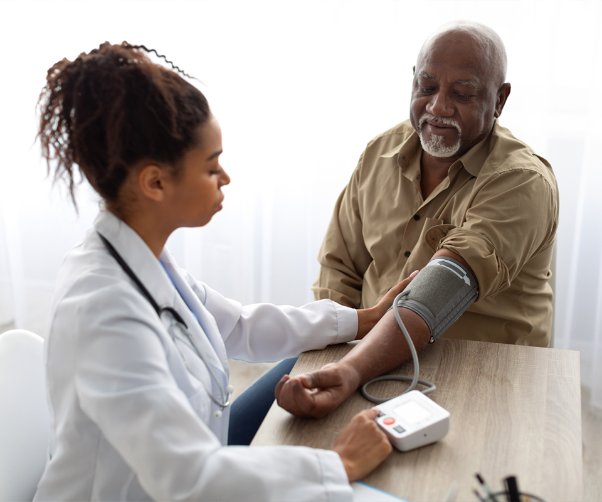
- Blood pressure: Simple, quick test that measures the force of blood against artery walls to identify hypertension, or high blood pressure.
- Cholesterol (lipid panel): Blood test that checks levels of LDL (“bad”) and HDL (“good”) cholesterol, triglycerides, and total cholesterol to gauge risk for plaque buildup.
- Blood glucose / hemoglobin A1C: Blood test that detects prediabetes or diabetes, which increase cardiovascular risk.
- Body weight, BMI, and waist circumference: Standard physical measurements that assess obesity-related risks for heart disease.
- Lifestyle factors: Conversations with healthcare providers about smoking habits, physical activity, and diet, which all influence heart health.
These screenings typically begin in early adulthood and are repeated based on individual risk and previous results.
SUBSCRIBE TO OUR BLOG
and you'll receive more health & wellness tips right in your inbox.
SUBSCRIBE NOWWhen are additional heart tests needed — and what tests might be run?
If you experience symptoms such as chest discomfort, shortness of breath, palpitations, or lightheadedness — or if routine screenings show concerning results — your healthcare provider may recommend additional testing. These evaluations help pinpoint the cause of symptoms, clarify your risk, and guide treatment decisions tailored to your health.
Tests used to evaluate heart function and symptoms
At Methodist Le Bonheur Healthcare, providers may use the following tests to take a closer look at how your heart is working:
- Electrocardiogram (ECG/EKG): Records the heart’s electrical activity to identify irregular rhythms or past heart injury.
- Echocardiogram: Uses sound waves to create images of the heart in motion, showing how well it pumps and how the valves are functioning.
- Stress tests (exercise or medication-based): Measures how the heart responds to physical activity or chemical stress, detecting areas with reduced blood flow.
- Holter monitor or event monitor: Portable device worn for 24-48 hours to capture intermittent irregular heartbeats that may not appear during a standard ECG.
- Tilt test: Tracks how blood pressure and heart rate respond to changes in position, helping explain dizziness or fainting episodes.
- Ankle-brachial index (ABI): Compares blood pressure in the arms and legs to screen for peripheral artery disease.
- Carotid ultrasound: Uses sound waves to check for narrowing in the neck arteries, which supply blood to the brain.
Each test is ordered selectively, usually when symptoms exist or initial screenings raise concerns, and your provider will determine which tests are appropriate for your individual situation.
Advanced heart imaging and specialized tests
Advanced testing is typically reserved for people with higher risk, persistent symptoms, or a known history of heart disease. These tests provide detailed insight into heart structure, blood flow, and underlying conditions:
- Coronary calcium scan: CT scan that detects calcified plaque in the coronary arteries to assess risk.
- Coronary CT angiography (CCTA): Scan showing detailed imaging of coronary arteries using contrast dye.
- Cardiac MRI: 3D images of the heart produced to evaluate structure, function, and tissue health.
- Nuclear stress testing: A stress test combined with imaging to identify areas of the heart not receiving adequate blood flow.
- Cardiac catheterization (angiogram): Invasive test where a catheter is used to measure pressures and visualize blockages in heart arteries.
- Specialized blood markers (hs-CRP, Lp(a), BNP): Blood tests done to assess inflammation, genetic risk factors, or heart stress levels.
These tests are not part of routine screenings for most people and are prescribed based on symptoms, individual risk factors, or abnormal findings. Your provider will help decide which tests, if any, are recommended for you based on your risk and symptoms.
How are the right heart tests chosen?
Doctors at Methodist Le Bonheur Healthcare personalize testing decisions based on several factors: age, symptoms, family history, existing health conditions, and prior test results. The goal is to identify risk without subjecting patients to unnecessary procedures.
"Choosing the right test is about matching the patient’s risk and clinical picture. Not every test is needed for everyone; our focus is always on precision and prevention."
– Seri Hanayneh, MD, FACC at Methodist Le Bonheur Healthcare
Key takeaways
- Heart disease screenings range from routine blood work to advanced imaging.
- Not everyone requires the same tests; screenings are individualized.
- Early detection can reveal risk before symptoms develop.
- Doctors recommend testing based on personal health factors, family history, and prior results.
- Screening results guide conversations and prevention strategies.
Taking the next step for your heart health
Your heart deserves quality care before symptoms arise. Learn more about the cardiovascular care at Methodist Le Bonheur Healthcare, or schedule a heart health conversation with your primary care provider to see if you fit the criteria for heart disease screening.
Medical Disclaimer: This content is for informational purposes only and does not replace professional medical advice. Consult your healthcare provider to determine which screenings are appropriate for your health. Last medically reviewed on January 21, 2026.
Related Articles