What Is a Cardiologist—and When Should You See One?
What is a cardiologist?
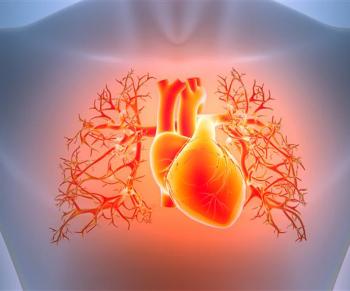
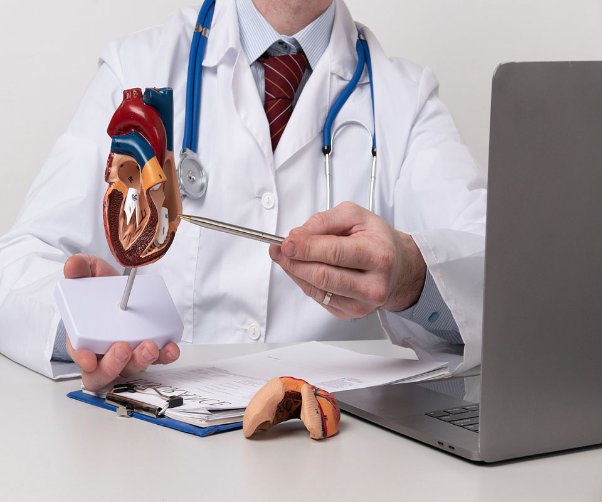
A cardiologist is a physician who specializes in diagnosing, treating, and preventing diseases of the heart and blood vessels, or cardiovascular system. Cardiologists care for patients with a wide range of cardiovascular concerns — from evaluating symptoms such as chest pain and shortness of breath to managing chronic conditions and reducing long-term risk. Many people see a cardiologist after a referral from a primary care provider, but cardiology care may also be appropriate for individuals who have certain risk factors, even if symptoms have yet to appear.
Where can I find a cardiologist close to home?
The cardiology team at Methodist Le Bonheur Healthcare offers comprehensive cardiology services — from preventive screenings to advanced heart treatment — with a focus on personalized, compassionate care.
What does a cardiologist do?
Cardiologists focus on evaluating heart-related symptoms, identifying and treating cardiovascular conditions, and developing personalized care plans. Their role often includes coordinating care over time to help patients manage chronic conditions and reduce future risk.
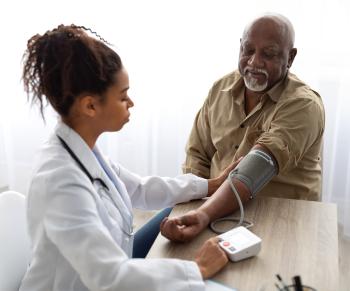
As part of the evaluation and treatment process, a cardiologist may recommend diagnostic tests — such as electrocardiograms (ECGs), echocardiograms, or stress tests — to better understand how the heart is functioning. Based on these findings, cardiologists guide treatment decisions, monitor progress, and adjust care as needed in partnership with a patient’s primary care provider.
Which conditions do cardiologists treat?
Cardiologists, including those from the Methodist Le Bonheur Healthcare team, diagnose and manage a broad range of heart and vascular conditions. Common cardiovascular conditions include:
- Coronary artery disease
- High blood pressure (hypertension)
- High cholesterol
- Heart rhythm disorders, such as atrial fibrillation
- Heart failure
- Heart valve disease
- Peripheral artery disease
In addition to treating diagnosed conditions, cardiologists play an important role in preventing heart disease in people who are at increased risk.
When should you see a cardiologist?
What symptoms may signal a heart problem?
Certain symptoms should be evaluated by a cardiologist or other healthcare professional, as they may indicate an underlying heart condition. Heart-related symptoms include:
- Chest pain, pressure, or discomfort
- Shortness of breath
- Heart palpitations or an irregular heartbeat
- Dizziness, lightheadedness, or fainting
- Swelling in the legs or ankles
- Unusual or persistent fatigue
“Chest pain, sudden shortness of breath, fainting, or symptoms that come on quickly or worsen should never be ignored. These may signal a serious heart problem and, in some cases, require immediate emergency care.”
– Oluwaseun Akinseye, MD, MPH, FACC, FSCAI, Cardiologist at Methodist Le Bonheur Healthcare
If symptoms are severe, sudden, or accompanied by sweating, nausea, or difficulty breathing, calling 911 is critical.
Are there reasons to see a cardiologist if you don’t have symptoms?
Not all heart disease causes noticeable symptoms, especially in its early stages. People with certain risk factors may benefit from cardiology care even if they feel well. These risk factors include:
- High blood pressure or high cholesterol
- Diabetes
- A history of smoking
- A strong family history of early heart disease or sudden cardiac death
- A history of pregnancy-related complications, such as preeclampsia
- Chronic kidney disease or other vascular disease
For patients experiencing these risk factors, a cardiologist can help assess cardiovascular risk and guide early prevention strategies.
Do you need a referral to see a cardiologist?
Primary care providers are often the first point of contact for heart-related concerns and may refer patients to a cardiologist when specialized care is needed. Some insurance plans require a referral to see a specialist, while others allow patients to schedule an appointment directly.
Cardiology care typically complements — not replaces — primary care. Cardiologists and primary care providers work together to support overall health and long-term heart wellness. For help finding a physician, try our simple provider search tool to find Methodist Le Bonheur Healthcare cardiologists and primary care providers that serve the Mid-South.
Can seeing a cardiologist help prevent heart disease?
Yes. Cardiology care is not limited to treating advanced disease. Cardiologists also focus on identifying risk early, providing guidance on heart-healthy habits, and monitoring changes over time.
By establishing care before a major cardiac event occurs, patients may better understand their risk and take proactive steps to protect their heart health.
“Heart disease often develops gradually and without obvious symptoms. Seeing a cardiologist early allows us to identify risk factors and intervene before more serious problems develop.”
– Oluwaseun Akinseye, MD, MPH, FACC, FSCAI, Cardiologist at Methodist Le Bonheur Healthcare
Key takeaways
- Cardiologists specialize in diagnosing, treating, and preventing diseases of the heart and blood vessels.
- Symptoms such as chest pain, shortness of breath, or palpitations should be evaluated by a healthcare professional
- People with certain risk factors may benefit from seeing a cardiologist even without symptoms.
- Cardiologists work closely with primary care providers to support long-term heart health.
Find quality heart care close to home
Methodist Le Bonheur Healthcare offers a full range of cardiology services — from preventive care and diagnostic testing to advanced treatment for complex heart conditions. Learn more about our cardiology providers and heart care services, or talk with your primary care provider about your cardiovascular risk at your next visit.
Medical Disclaimer:
This content is for informational purposes only and does not replace professional medical advice, diagnosis, or treatment. Last medically reviewed on January 21, 2026.
SUBSCRIBE TO OUR BLOG
and you'll receive more health & wellness tips right in your inbox.
SUBSCRIBE NOWA cardiologist is a physician who specializes in diagnosing, treating, and preventing diseases of the heart and blood vessels. Cardiologists care for patients with symptoms like chest pain or shortness of breath, manage chronic conditions, and guide long-term heart health strategies. They perform diagnostic tests such as electrocardiograms, echocardiograms, and stress tests to evaluate heart function and inform care plans.
Related Articles