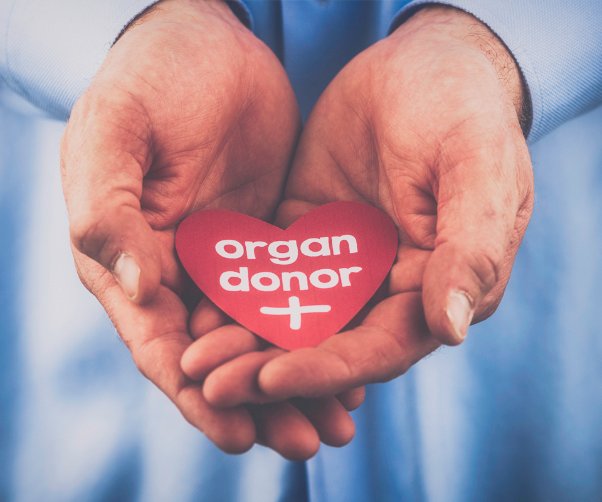
What Happens When I Register as an Organ Donor? Myths vs. Facts
Donate Life Month is a powerful reminder each year of how organ, eye and tissue donation transforms lives. Yet despite broad support, many people hesitate to register as an organ donor because of persistent myths, fears or misinformation. According to Corey Eymard, MD, Physician Leader and Surgical Fellowship Director at the Methodist Transplant Institute, “Once people understand the facts, they may feel more confident making a decision that could change — or even save — someone’s life.”
Below, we break down the most common organ donation myths and the facts that can help people make informed, compassionate choices.
SUBSCRIBE TO OUR BLOG
and you'll receive more health & wellness tips right in your inbox.
SUBSCRIBE NOWMyth 1: “Doctors won’t try to save me if I’m a registered organ donor.”
Fact: Your medical team’s only priority is saving your life. Emergency physicians, nurses and trauma teams do not have access to your donor registration when treating you. Donation is only considered after all lifesaving efforts have been exhausted and death has been declared. Your care always comes first.
Myth 2: “I’m too old or too unhealthy to donate.”
Fact: Almost everyone can be a donor. There is no age limit for organ donation — people in their 70s, 80s and even 90s have saved lives. Medical teams evaluate each organ individually at the time of death. Conditions like diabetes or high blood pressure rarely disqualify someone entirely.
Myth 3: “My family will have to pay for my organ donation.”
Fact: Families never pay for organ donation. All costs related to organ, eye and tissue recovery are covered by the organ procurement organization. Families are only responsible for medical care provided before death, just as they would be otherwise.
Myth 4: “My religion doesn’t support organ donation.”
Fact: Most major religions support donation as an act of compassion. Christianity, Judaism, Islam, Buddhism and many other faith traditions view donation as a generous and life‑affirming choice. If you’re unsure, your faith leader can offer guidance — but in most cases, donation aligns with religious values.
Myth 5: “I won’t be able to have an open‑casket funeral.”
Fact: Donation does not prevent an open‑casket service. The recovery process is performed with the utmost respect and care. The body is treated with dignity, and families can proceed with traditional funeral arrangements.
Myth 6: “Organ donation delays funeral plans.”
Fact: Donation rarely causes significant delays in planning funeral services. Most organ and tissue recoveries occur within 24–48 hours. Organ recovery teams and funeral homes coordinate closely to support families’ timelines.
Myth 7: “Only famous or wealthy people get transplants.”
Fact: Transplants are based on medical need — never economic or social status. The national transplant waiting list prioritizes patients based on factors like severity of illness, blood type, body size and location. Wealth, fame or social standing are never part of the equation.
Why Debunking Organ Donation Myths Matters
More than 100,000 people in the United States are currently waiting for a life‑saving transplant. When people learn the truth about donation, it leads to more conversations, more registrations and ultimately more lives saved. Dr. Eymard notes, “Understanding the facts empowers people to make informed, compassionate decisions. That knowledge can then become a powerful way to honor donors, support families and bring hope to those still waiting for a second chance at life.”
A Simple Step That Can Save Lives
If you feel inspired to learn more or register as an organ donor, you can do so through a national donor registry or when renewing your driver’s license. One “yes” can save up to eight lives and heal as many as 75 others through tissue and cornea donation.
Your decision today could be someone’s miracle tomorrow. Learn more at www.methodisthealth.org/DonateLife.
Related Articles