Breast Cancer Symptoms and Risk Factors: What You Need to Know
October is Breast Cancer Awareness Month, an important reminder to learn the signs of breast cancer and understand your personal risk. The earlier breast cancer is found, the more treatment options may be available. Knowing what symptoms to watch for and when to talk with a healthcare provider can help you take charge of your breast health.
What Are the Early Warning Signs of Breast Cancer?
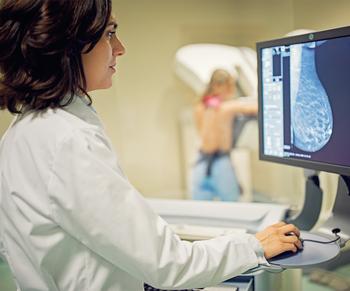
Breast cancer does not always cause symptoms in its earliest stages, which is why routine mammograms are so important. However, there are several changes that should never be ignored. Breast Cancer Awareness Month is a great time to become familiar with how your breasts normally look and feel so you can recognize changes quickly.
“One of the biggest misconceptions about breast cancer is that it causes pain. In fact, most breast cancers are painless and many aren’t detectable by feel at all, which is why it's important to get regular mammograms and not to ignore a new lump, skin dimpling, or changes in the appearance of the breast,” says Dr. Melanie Crutchfield, Breast Surgeon at Methodist Cancer Institute.
Common Breast Cancer Symptoms
One of the most common warning signs is a new lump in the breast or underarm. While many breast lumps are benign, any unexplained lump should be evaluated by a healthcare professional.
Other symptoms may include:
- A lump in the breast or armpit that feels different from surrounding tissue.
- Changes in breast size, shape, or appearance.
- Skin dimpling or puckering, which may make the skin look like an orange peel.
- Swelling of all or part of a breast.
- Nipple pain, redness, or irritation.
- A nipple that suddenly turns inward.
- Nipple discharge, especially bloody nipple discharge.
- Persistent breast pain or discomfort.
SUBSCRIBE TO OUR BLOG
and you'll receive more health & wellness tips right in your inbox.
SUBSCRIBE NOWWhen Should You See a Doctor?
If you notice a new lump, skin dimpling, nipple changes, or a change in breast shape that does not go away, schedule an appointment with your healthcare provider. These symptoms do not always mean cancer, but they should be evaluated promptly. Early detection can lead to earlier diagnosis and treatment.
What Causes Breast Cancer?
There is no single cause of breast cancer. It develops when breast cells begin growing abnormally. Researchers know that a combination of genetic, lifestyle, and environmental factors can increase a person's risk.
Who Is at Higher Risk for Breast Cancer?
Age
Breast cancer risk increases with age, and most cases are diagnosed in women over age 50.
Family History of Breast Cancer
Having a mother, sister, daughter, or multiple relatives with breast or ovarian cancer can increase your risk. A family history does not guarantee you will develop breast cancer, but it may mean you need closer monitoring.
Gene Mutations and Genetic Testing
Inherited changes in genes significantly increase the risk of breast cancer. People with a strong family history of cancer, especially breast cancer, ovarian cancer, pancreatic cancer, or male breast cancer may benefit from genetic counseling and gene testing.
“Knowing your family history can be just as important as knowing your personal health history,” says Dr. Crutchfield. “For some patients, genetic counseling and testing can help identify elevated cancer risk and guide screening recommendations for both the patient and their family members.”
Other Risk Factors
Additional risk factors include:
- Dense breast tissue.
- A personal history of breast cancer.
- Previous chest radiation treatment.
- Being physically inactive.
- Excess alcohol intake.
- History of smoking.
- Excess weight after menopause.
Frequently Asked Questions About Breast Cancer
What does a breast cancer lump feel like?
A breast cancer lump is often hard, painless, and different from surrounding tissue, but breast cancer can present in many ways. Any new lump should be evaluated by a healthcare provider.
Is skin dimpling a sign of breast cancer?
Yes. Skin dimpling or puckering can occur when cancer affects tissue beneath the skin and should be assessed by a physician.
Should I get genetic testing for breast cancer?
You may want to discuss genetic counseling and testing if you have a strong family history of breast cancer.
Can breast cancer occur without symptoms?
Yes. Most breast cancers cause no noticeable symptoms and are first detected through a screening mammogram.
Take Action During Breast Cancer Awareness Month
Knowing the symptoms and risk factors of breast cancer is one of the most important steps you can take for your health. Pay attention to changes such as unexplained lumps, skin dimpling, nipple changes, or changes in breast shape. Stay current with recommended mammograms, discuss your family history with your healthcare provider, and ask whether genetic counseling or BRCA testing may be appropriate for you.
Awareness leads to action, and action can save lives.
Schedule your mammogram today!
Call 901-516-9000 or 662-932-9153 for our Southaven location.
Find a convenient location near you.
Related Articles