When Should You Start Getting Mammograms? Here's What You Need to Know
Turning 40 often comes with a new focus on preventive health. It's the age when many adults begin planning important cancer screenings, including mammograms. But one question continues to come up: When should you start getting mammograms?
The answer depends on your personal health history and risk factors, but experts agree that breast cancer screening plays a critical role in detecting cancer early, when treatment is often most effective.
"When to start screening usually depends on a woman's personal risk factors and family history of breast cancer," says Dr. Ryland Gore, breast surgical oncologist at Methodist Cancer Institute. "However, I absolutely believe that screening mammograms should start at age 40 for a woman of average risk. Do not put them off until you're in your 50s."
Why Mammograms Matter
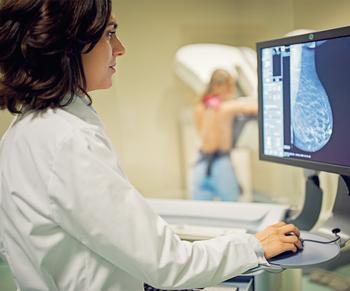
Breast cancer remains one of the most common cancers affecting women. Screening mammograms are a specialized type of X-ray that can detect breast cancer years before a lump can be felt. When breast cancer is found in its earliest stages, treatment options are often less extensive and outcomes may improve.
"Mammograms are the best imaging tool we currently have for detecting breast cancer early," says Dr. Ryland Gore. "Early treatment may lower your chances of dying from breast cancer."
Understanding Your Breast Cancer Risk
Every woman has some risk of developing breast cancer, but certain factors can increase that risk.
Risk Factors You Can't Change
- Age: Most breast cancers are diagnosed after age 50.
- Dense breasts: Having more fibrous and glandular tissue can increase risk and make cancer harder to detect.
- Family history: A first-degree relative with breast or ovarian cancer may raise your risk.
- Genetic mutations: BRCA1, BRCA2, and other inherited gene mutations can significantly increase breast cancer risk.
- Race and ethnicity: Black women face a higher risk of developing aggressive forms of breast cancer, including triple-negative breast cancer.
- Reproductive history: Starting menstruation before age 12 or reaching menopause after age 55 can increase risk.
SUBSCRIBE TO OUR BLOG
and you'll receive more health & wellness tips right in your inbox.
SUBSCRIBE NOWRisk Factors You Can Influence
While some risks are beyond your control, healthy lifestyle choices may help lower your overall risk:
- Maintaining a healthy weight, especially after menopause
- Limiting alcohol consumption
- Staying physically active
"Having a higher risk for the disease does not guarantee you will develop it," says Dr. Ryland Gore. "However, it will likely affect when and how often you should get mammograms."
When Should You Start Mammogram Screening?
Recommendations can vary among medical organizations, but many experts now support beginning routine screening at age 40 for women at average risk.
If you're at higher risk due to family history, genetics, breast density, or other factors, your healthcare provider may recommend starting earlier or adding supplemental screening, such as breast MRI.
Talk to Your Doctor About a Personalized Screening Plan
Breast cancer screening is not one-size-fits-all. Your primary care provider or gynecologist can help assess your individual risk and determine:
- When screening should begin
- How often you should have a mammogram
- Whether additional screening tests may be appropriate
"It is a personal choice, but as a surgeon who treats a lot of breast cancer patients, I agree with the National Comprehensive Cancer Network that screening mammograms should start at age 40, with a discussion with your physician regarding frequency or if screenings should start earlier," says Dr. Ryland Gore.
What to Expect During a Mammogram
If you've never had a mammogram, you may be surprised by how quick the process is.
During your appointment:
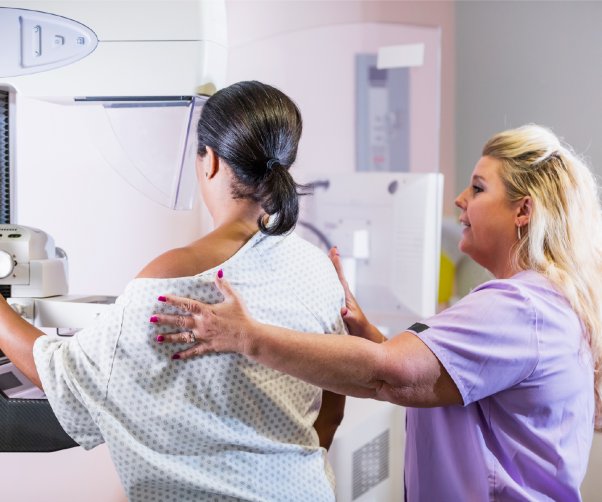
- You'll change into a gown.
- A technologist will position one breast at a time on a specialized imaging machine.
- The breast is compressed briefly between two plates to capture clear images.
- The process is repeated for the other breast.
The exam typically takes only a few minutes, and while the compression may feel uncomfortable, it lasts only a short time. Results are generally available within several days.
Ready to Schedule Your Mammogram?
If you're approaching 40 or have questions about your breast cancer risk, now is the perfect time to talk with your healthcare provider about screening.
Methodist Le Bonheur Healthcare offers mammography services at multiple convenient locations throughout the Mid-South. To schedule your mammogram, call 901-516-9000 or 662-996-2122 for the Southaven location.
Related Articles